Política Fiscal
Draft Bill 220 creates the Villa del Carmen township, carved out of El Guásimo, and requires the Municipality of Donoso to fund its setup, subject to committee sponsorship and approval in three readings.
By Redacción Nexo Capital · October 24, 2026, 16:11

Inversión y Comercio
Resolution No. 025 of 2026 of the Technical Board of Engineering and Architecture adopts a single post-earthquake assessment form and certificates that must be posted at each building, subject to re-inspection if a strongly felt aftershock occurs.
By Redacción Nexo Capital · October 24, 2026, 16:11
Inversión y Comercio
Resolution No. 024 of 2026 of the Technical Board of Engineering and Architecture approves and authorizes the Azuero Panel alternative system for small single-family homes, subject to the Human Safety Regulation and the REP-2021 criteria.
By Redacción Nexo Capital · October 24, 2026, 16:11
Inversión y Comercio
Law 561 creates the National Road Signage Program for Public Works, requires contractors to provide traffic controllers and local governments to file mitigation plans, subject to a regulation that sets the amount of the fines.
By Redacción Nexo Capital · October 24, 2026, 16:11

Política Fiscal
Executive Decree No. 13 of 2026 adopts the National Implementation Plan for the System of Guarantees and Comprehensive Protection of the Rights of Children and Adolescents, subject to two-year phases and the allocation of resources.
By Redacción Nexo Capital · October 24, 2026, 16:11
Política Fiscal
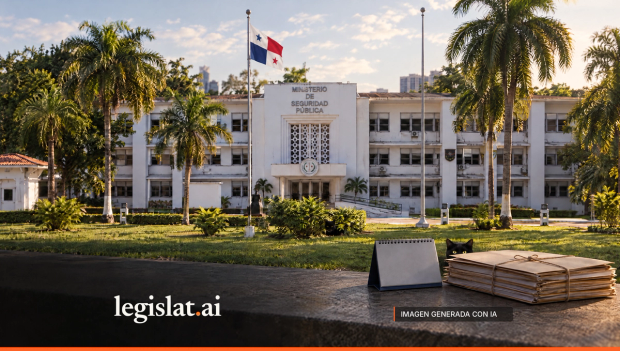
Executive Decree No. 20 of 2026 of the Ministry of Public Security extends from August 16 to September 15, 2026 the payment of worked and accrued vacation to the Public Force, charged to the remaining balance of the National Police budget.
By Redacción Nexo Capital · October 24, 2026, 16:11
Política Fiscal
Agreement 022-2026 of the Bocas del Toro Municipal Council amends article 11 of the 2026 municipal budget and sets the works for the 2024 to 2026 budget years, subject to procurement and execution by the municipality.
By Redacción Nexo Capital · October 23, 2026, 22:37
Inversión y Comercio
Preliminary Bill 218 would add grounds for exceptional procurement under Law 22 of 2006. Classroom construction would require a technical declaration from the Ministry of Education.
Newsroom · October 23, 2026, 11:47
Inversión y Comercio
Preliminary Bill 221 proposes a pharmaceutical, scientific and health technology free zone. Its location and operating rules would require subsequent decisions by the Executive Branch.
Newsroom · October 23, 2026, 11:47
Inversión y Comercio
Preliminary Bill 217 would prohibit asbestos extraction, production, trade and use, while establishing a replacement program for installed material and requiring implementing regulations within six months.
Newsroom · October 23, 2026, 11:45

Inversión y Comercio
Agreement 314 reclassifies specialized miscellaneous and infrastructure plans in the District of Panama. Exceptions to ordinary land-use checks retain safeguards and do not eliminate other applicable approvals.
Newsroom · October 23, 2026, 11:44

Inversión y Comercio
Resolution 857 establishes import and oversight procedures for laboratory reagents exempt from health registration, under the National Directorate of Medical Devices, with permits valid for ninety days.
Newsroom · October 23, 2026, 11:44
Inversión y Comercio
Preliminary Bill 219 proposes waste separation, closing reports and penalties for large events. The regime would take effect six months after promulgation, if the initiative becomes law.
Newsroom · October 23, 2026, 11:20
Política Fiscal
Resolution MEF-RES-2026-3368 sets charges for reverted properties and a 50% surcharge for occupation without a valid title, without granting property rights through payment.
Newsroom · October 23, 2026, 00:00

Inversión y Comercio
Agreement 10-2026 adds an exception to the politically exposed persons catalogue for certain nonvoting board members, limited to the guide’s expressly stated conditions.
Newsroom · October 23, 2026, 00:00
Inversión y Comercio
The subcommittee report on Bill 581 proposes revised admission checks for accommodation providers and continued consideration at first debate; its recommendations are not yet binding requirements.
Newsroom · October 23, 2026, 00:00
Inversión y Comercio
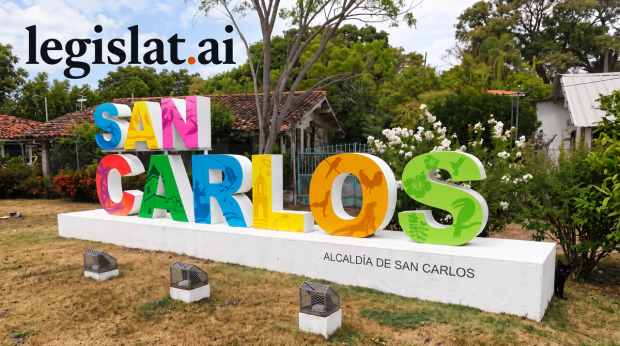
San Carlos Mayor’s Decree 089 suspends specified November civic activities in defined locations as the municipality focuses its response on earthquake damage and affected households.
Newsroom · October 23, 2026, 00:00
Inversión y Comercio
Preliminary Bill 213 proposes a national drill on the second Monday of October, with private establishments participating according to their risks. It provides alternatives for essential services and is not yet a legal obligation in force.
Newsroom · October 23, 2026, 00:00

Política Fiscal
Patsy Lee’s proposal would redirect available municipal balances in Coclé, Herrera, Los Santos and Veraguas toward documented earthquake damage. It would not authorize unrelated operating expenses or remove procurement oversight.
Newsroom · October 23, 2026, 00:00
Política Fiscal
Preliminary Bill 212 would provide up to B/.550 million from Panama’s savings fund for earthquake reconstruction, with phased withdrawals and repayment within twenty years. The proposal is not an authorization in force.
Newsroom · October 22, 2026, 12:00
Inversión y Comercio
Municipal Agreement 313 changes vacancies, removal and tied votes at the Planning Board. Sentinel compares five aspects of the reform with related rules and identifies the limits of the analysis.
Newsroom · October 22, 2026, 11:15
Mercado de Valores
Cabinet Decree No. 13 authorizes the Panama SIACAP-2 advisory agreement with the International Bank for Reconstruction and Development for up to US$300,000, subject to the required procedures.
By Redacción Nexo Capital · October 21, 2026, 15:33
Política Fiscal
Barú Municipal Agreement No. 18 grants a one-hundred-percent waiver of surcharges and interest, conditional on full payment of the enforceable principal within the established period.
By Redacción Nexo Capital · October 21, 2026, 11:01
Política Fiscal
Cabinet Resolution No. 116 authorizes changes to Bill 644 while retaining its overall amount, subject to consideration by the National Assembly.
By Redacción Nexo Capital · October 21, 2026, 11:01
Política Fiscal
San Miguelito Mayoral Decree No. 015-2026 regulates municipal early childhood education centers and formalizes requirements, payments and service conditions, subject to admission and available places.
By Redacción Nexo Capital · October 21, 2026, 11:01
Inversión y Comercio
Preliminary Bill 210 proposes stronger evidentiary treatment for interviews with child victims of sexual offences. It remains subject to the legislative process.
By Redacción Nexo Capital · October 21, 2026, 00:00
Política Fiscal
Cabinet Resolution No. 110 authorizes the economy and finance minister to submit a reform of Law 22 of 2006; its effect on suppliers will depend on the text and the legislative process.
By Redacción Nexo Capital · October 21, 2026, 00:00

Inversión y Comercio
Mayoral Decrees No. 012-2026 and No. 013-2026 regulate the use and water protection of Cerro Cabra without constituting its first protected designation or authorizing individual developments.
By Redacción Nexo Capital · October 21, 2026, 00:00

Política Fiscal
Cabinet Resolutions No. 105, 106 and 107 approve contracts to defend Panama in three investment arbitrations, with legal fee caps separate from procedural expenses.
By Redacción Nexo Capital · October 21, 2026, 00:00

Política Fiscal
Cabinet Resolution No. 109 directs agencies to process fee and contribution exemptions for works directly affected by the earthquake, subject to the competent agencies’ procedures.
By Redacción Nexo Capital · October 21, 2026, 00:00
Política Fiscal
Law 553 of 2026 amends the Judicial Code to replace the former Third Circuit with the Panama Oeste Judicial Circuit, seated in La Chorrera, subject to the Supreme Court of Justice setting the number of judges and to the law taking effect six months after promulgation.
By Redacción Nexo Capital · October 21, 2026, 00:00

Inversión y Comercio
Cabinet Decree No. 14 of October 13, 2026 extends controls on the marketing of roasted coffee for six months without itself establishing a new selling price.
By Redacción Nexo Capital · October 20, 2026, 00:00

Mercado de Valores
Opinion No. 5-26 of the Securities Market Superintendency finds no impediment to direct lending by a foreign custodian, provided the brokerage firm remains genuinely uninvolved in the transaction.
By Redacción Nexo Capital · October 20, 2026, 00:00

Inversión y Comercio
Law 560 of October 14, 2026 changes marine ecosystem protections from October 16 without turning the regulation of activities into blanket authorization for projects.
By Redacción Nexo Capital · October 20, 2026, 00:00

Inversión y Comercio
Executive Decree 6 of 2026 creates Panama's National Carbon Market System, distinguishes domestic use from international transfers, and leaves emissions-reporting and offsetting thresholds to future regulations.
By Redacción Nexo Capital · October 20, 2026, 00:00

Política Fiscal
Resolution MEF-RES-2026-3451 sets subsidized prices and support caps from October 16 to 30 for validated beneficiaries, including heavy buses diverted to the Centenario Bridge.
By Redacción Nexo Capital · October 20, 2026, 00:00

Inversión y Comercio
Resolution DM-0551-2026 extends the closure through December 31. Discrepancies in Articles 4 and 7 require clarification before the lobster fishing exception can be described as an operational guide.
By Redacción Nexo Capital · October 20, 2026, 00:00
Economía Digital
Law 559 of October 14, 2026 approves the agreement to establish an ITU Area Office. Approval alone does not demonstrate that the office has opened or that new investment has been secured.
By Redacción Nexo Capital · October 19, 2026, 00:00

Inversión y Comercio
The resolution distinguishes private and commercial vehicles and retains contractual exceptions for certain policyholders.
By Redacción Nexo Capital · October 19, 2026, 00:00

Inversión y Comercio
The resolutions redirect users to La Chorrera and headquarters; permanent closure was set for October 16.
By Redacción Nexo Capital · October 19, 2026, 00:00

Inversión y Comercio
The rules require clinical assessment and follow-up; publication does not mean universal eligibility or immediate supply.
By Redacción Nexo Capital · October 19, 2026, 00:00
Inversión y Comercio
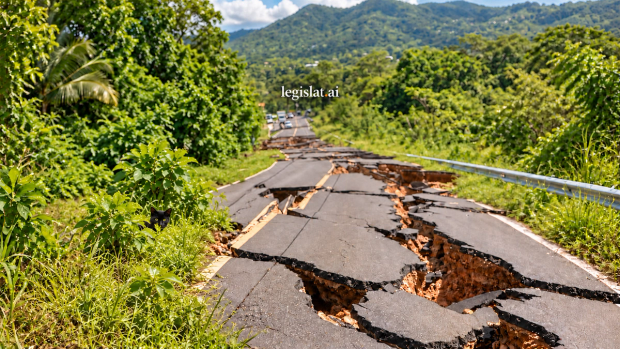
The October 14 presentation distinguishes damage, closures and alternative care; it is not an inventory updated to October 17.
By Redacción Nexo Capital · October 19, 2026, 00:00
Política Fiscal
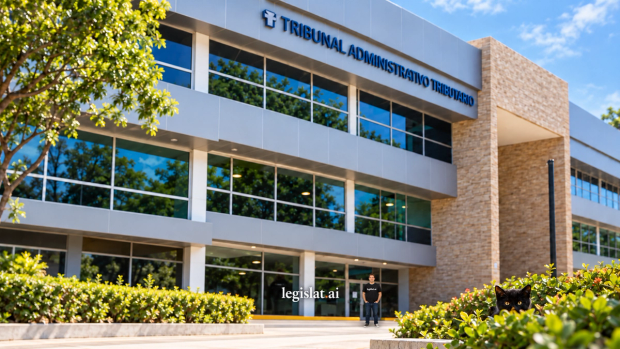
The decision took effect upon signature and set resumption for October 12; its later publication does not announce a new closure.
By Redacción Nexo Capital · October 19, 2026, 00:00

Política Fiscal
Cabinet authorized additional operating funds for the Social Security Fund, subject to the Budget Committee procedure; disbursement is not established.
By Redacción Nexo Capital · October 15, 2026, 09:50

Inversión y Comercio
Law 558 provides for hospital, home-based and virtual education, with gradual implementation and entry into force at the start of the following fiscal year.
By Redacción Nexo Capital · October 15, 2026, 09:50

Inversión y Comercio
Preliminary Bill 206 would separate housing assistance from registered ownership without granting property rights or removing other eligibility requirements.
By Redacción Nexo Capital · October 15, 2026, 07:52
Política Fiscal
Preliminary Bill 207 proposes exceptional flexibility for 2026 and 2027 and an operating-expense threshold of up to 40% from 2028.
By Redacción Nexo Capital · October 15, 2026, 07:52

Economía Digital
Law 557 establishes incentives and obligations for agricultural drones. It takes effect six months after promulgation.
By Redacción Nexo Capital · October 15, 2026, 07:52

Inversión y Comercio
Executive Decree 21 creates a temporary stay subject to bilateral agreements and distinguishes immigration approval from permission to work.
By Redacción Nexo Capital · October 15, 2026, 07:52
Economía Digital
Legislat.ai documents a real internal-use case of Sentinel to research and prepare an application concerning expired property restrictions, favorably resolved by Panama’s Public Registry.
By Redacción Nexo Capital · October 15, 2026, 06:26

Inversión y Comercio
Supreme Court Agreement 595 replaces the 2015 framework for alternative dispute resolution and includes duties concerning impartiality, confidentiality and professional training.
By Redacción Nexo Capital · October 14, 2026, 11:35

Política Fiscal
Resolution 201-8061 extends filings due October 15 to October 19 and suspends administrative deadlines, with a special period for Coclé, Herrera, Los Santos and Veraguas.
By Redacción Nexo Capital · October 14, 2026, 11:35

Inversión y Comercio
Health Ministry Resolution 832 activates the health emergency operations center following the October 9 earthquake and assigns responsibilities for facility assessments and critical resources.
By Redacción Nexo Capital · October 14, 2026, 11:35

Inversión y Comercio
Ministry of Health Resolution No. 0864 establishes renewable five-year certificates and requires a new assessment when relocating, subject to verification of licensing conditions for the services provided.
By Redacción Nexo Capital · October 10, 2026, 14:25
Inversión y Comercio
Bill 742 amends the Criminal Procedure Code to allow conciliation, withdrawal, suspension of the proceeding and agreements between the prosecution and the accused to be used at any stage and up until the debate is declared open, subject to the debates still pending in the Assembly.
By Redacción Nexo Capital · October 9, 2026, 21:10

Economía Digital
El Acuerdo 8-2026 de la Superintendencia de Bancos fija medidas de control para las transferencias electrónicas de fondos dentro del país: los bancos deberán mostrar sin costo y confirmar el titular de la cuenta de destino antes de ejecutar la operación, sujeto a una vigencia diferida a nueve meses.
By Redacción Nexo Capital · October 9, 2026, 21:09

Inversión y Comercio
Bill 623 institutes the Corpus Christi, Octava and Corazón de Jesús festivity of the Parita district as a national cultural, tourism and folkloric event and orders the State to allocate annual funds for its promotion, subject to the debates still pending in the Assembly.
By Redacción Nexo Capital · October 9, 2026, 21:00

Inversión y Comercio
Acuerdo 9-2026 of the Superintendency of Banks amends Acuerdo 6-2026, which reforms the banking-information transparency rules, to extend its entry into force to March 31, 2027.
By Redacción Nexo Capital · October 9, 2026, 21:00
Economía Digital
Acuerdo 8-2026 of the Superintendency of Banks sets control measures for electronic funds transfers within the country: banks must display at no cost and confirm the destination account holder before executing the operation, subject to a deferred entry into force of nine months.
By Redacción Nexo Capital · October 9, 2026, 21:00
Inversión y Comercio
Bill 199 amends Law 8 of 2000 and creates within AMPYME a legal-guidance service for all MSMEs and free public defense for microbusinesses billing up to fifty thousand balboas a year, subject to its adoption and the debates in the Assembly.
By Redacción Nexo Capital · October 8, 2026, 15:12

Inversión y Comercio
Cabinet Council Resolution No. 104 authorizes prequalifying bidders for the operation and maintenance and works contract of the Enrique Malek airport, in David, and Scarlett Martínez, in Río Hato, prior to the best-value tender that Aeropuerto Internacional de Tocumen, S.A. will call.
By Redacción Nexo Capital · October 8, 2026, 15:12

Inversión y Comercio
The consolidated text of Bill 705 proposes measuring the 30% limit against installed capacity, strengthening customer rights and changing distributors' duties. It remains pending a second debate.
By Redacción Nexo Capital · October 8, 2026, 15:12

Inversión y Comercio
Bill 257 amends Law 28 of 2014 to reactivate the commission on rare diseases, give statutory rank to its advisory body and create a National Care Program, subject to approval by the floor and to regulation by the Ministry of Health.
By Redacción Nexo Capital · October 7, 2026, 09:03

Inversión y Comercio
Resolution No. 108 of the Ministry of Commerce and Industry adopts technical standard DGNTI 402-2026, which sets the sampling and analysis methods to determine the quality of paddy rice and fortified white milled rice, and will take effect six months after its enactment in the Official Gazette.
By Redacción Nexo Capital · October 6, 2026, 23:44

Política Fiscal
Bill 197 recognizes the right of a retiree who keeps contributing to the Social Security Fund to have those new contributions increase their pension, with retroactive effect and interest, by adding an article to Law 462 of 2025, subject to committee adoption, debate and approval.
By Redacción Nexo Capital · October 6, 2026, 23:42

Inversión y Comercio
Bill 198 amends Law 22 of 2006 on public procurement and Law 93 of 2019 on public-private partnerships to create the figure of the Project Supervisor, a mandatory independent technical contractor on the largest state works, subject to committee adoption, approval and regulation.
By Redacción Nexo Capital · October 6, 2026, 23:40

Política Fiscal
Bill 724 approves Addendum No. 1 to the contract under Decree Law 6 of 1998 and extends through 2048 the tax exemptions of the City of Knowledge Foundation and of the companies established there, subject to approval by the floor and endorsement by the Comptroller General.
By Redacción Nexo Capital · October 5, 2026, 08:00

Inversión y Comercio
Bill 196 amends Law 51 of 2017 to reserve for national carriers the cargo leaving customs premises, free zones and ports, and to condition foreign carriers on the principle of reciprocity, still subject to committee adoption and the three debates.
By Redacción Nexo Capital · October 4, 2026, 08:00

Inversión y Comercio
Law 555 creates the Sugarcane Mill Route, a tourism, cultural and gastronomic circuit in Panama's panela-producing regions, and grants artisanal producers training, financing and partial tax exemptions, subject to the regulations the Executive must issue within six months.
By Redacción Nexo Capital · October 4, 2026, 08:00
Política Fiscal
Bill 641 amends the Fiscal Code and requires economic substance for certain foreign-source passive income of multinational groups to retain their tax treatment.
By Mesa de Análisis Económico · June 5, 2026, 08:00

Mercado de Valores
Several resolutions of the Securities Market Superintendency published in the Official Gazette register securities of various companies for their public offer in Panama.
By Redacción Nexo Capital · June 4, 2026, 08:00

Economía Digital
Bill 247 proposes a framework for cryptocurrency use, incentives for crypto-asset companies, and a special tax regime regulated by the DGI.
By Redacción Nexo Capital · June 2, 2026, 08:00
Política Fiscal
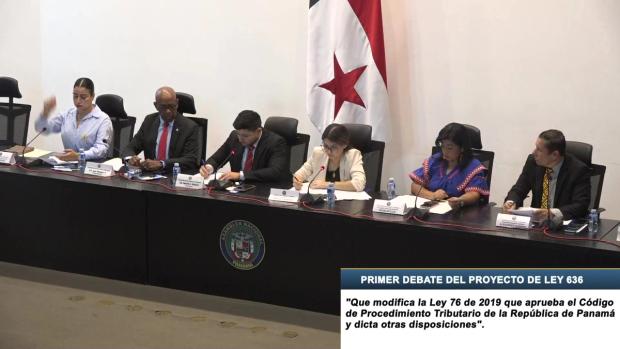
Bill 636 amends the Tax Procedure Code and mandates public access to information on tax incentives in Panama.
By Mesa de Análisis Económico · June 1, 2026, 08:00
Política Fiscal
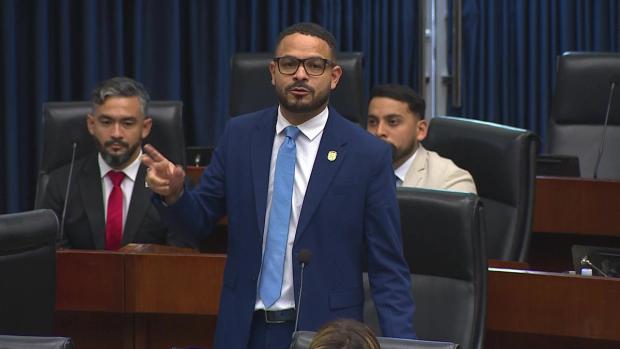
Bill 502 enacts a framework law for the General State Budget and requires that central government investment not fall below 20% of primary expenditure.
By Mesa de Análisis Económico · May 31, 2026, 08:00
Mercado de Valores
An SBP Resolution authorizes the transfer of Scotiabank's banking business in Panama to Banco Davivienda (Panama), under the terms of the proposed transaction.
By Redacción Nexo Capital · May 30, 2026, 08:00
Política Fiscal
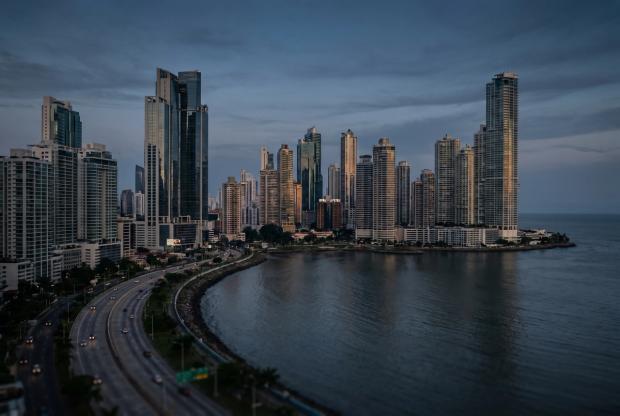
Panama authorizes a loan of up to US$350 million from the IDB to support the budget and a program to improve the Social Security Fund's pension system.
By Mesa de Análisis Económico · May 29, 2026, 08:00

Economía Digital
Two resolutions authorize 20-year administrative concessions to install and operate the CSN-1 and Trans Caribbean Fiber submarine cables in Panama.
By Redacción Nexo Capital · May 28, 2026, 08:00
Inversión y Comercio
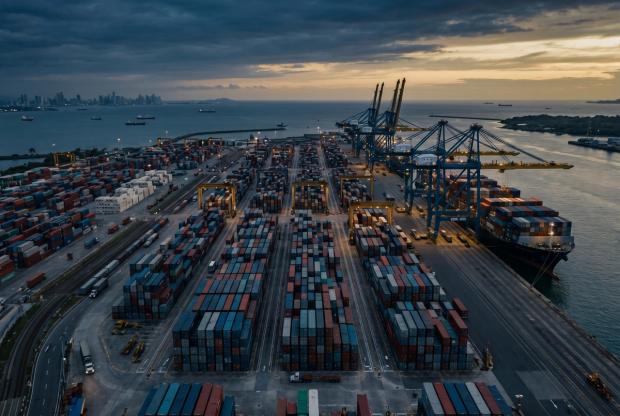
The Cabinet Council approves transitional contracts with APMT and TIL to ensure continuity of operations at the ports of Balboa and Cristóbal.
By Mesa de Análisis Económico · May 27, 2026, 08:00
Economía Digital
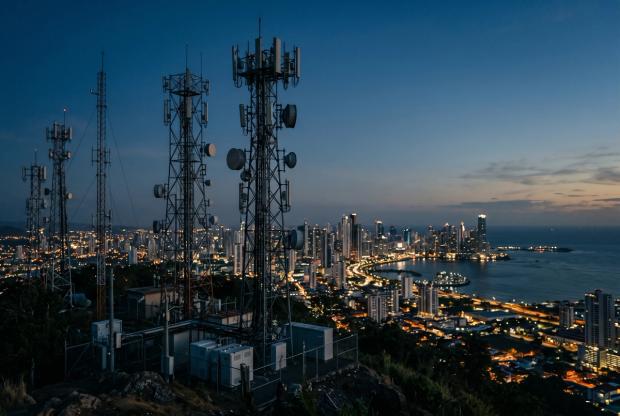
The Cabinet Council authorizes amendments and a concession termination agreement for telecommunications licenses in connection with the economic concentration between Claro Panamá and Cable & Wireless Panamá.
By Redacción Nexo Capital · May 26, 2026, 08:00

Inversión y Comercio
The Cabinet Council approves the hiring of AECOM for engineering advisory services on the Albrook–Sajalices segment and the feasibility study for the Panama–David–Frontera train.
By Mesa de Análisis Económico · May 25, 2026, 08:00
Mercado de Valores
The SBP granted a temporary permit to Banco BISA to pursue its international license and a representative-office license to Mercantil Bank (Schweiz).
By Redacción Nexo Capital · May 24, 2026, 08:00

Mercado de Valores
Accord 1-2026 of the SBP prevents the improper use of banking and fiduciary services, in line with a strengthening of the prudential framework.
By Mesa de Análisis Económico · May 23, 2026, 08:00
Política Fiscal
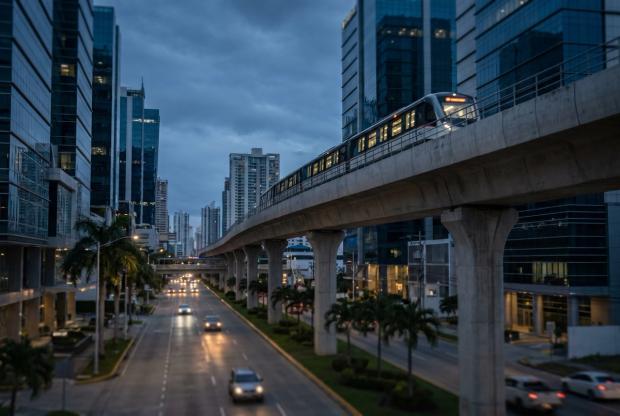
The Cabinet Council authorizes the MEF to issue guarantees of up to US$696.8 million to secure Metro de Panamá's payment obligations.
By Mesa de Análisis Económico · May 21, 2026, 08:00
Política Fiscal
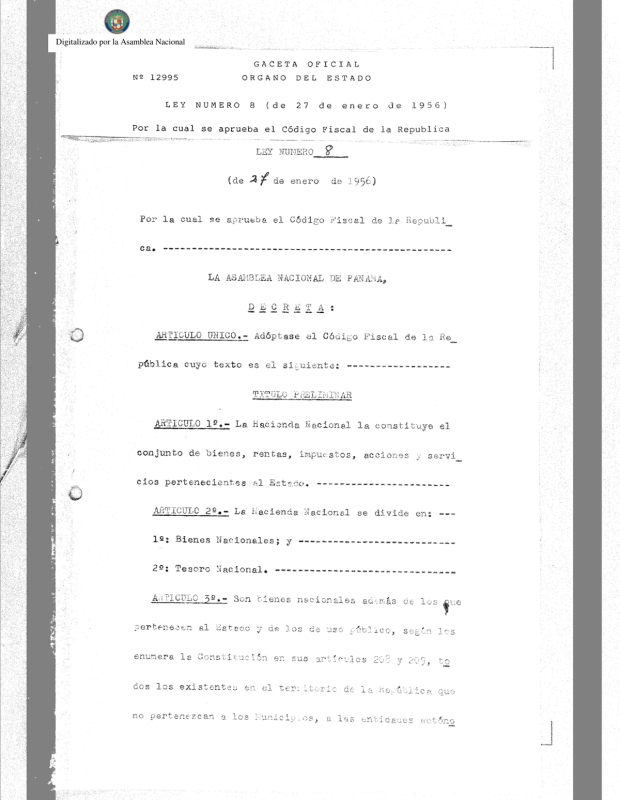
From 1956 to 2023, Panama's Tax Code has been reformed, supplemented, and partially overturned by dozens of laws. Law 8 of 2010 sits at the center of that history: in fewer than five months of enactment it was modified twice, and in 2015 the Supreme Court declared one of its provisions unconstitutional.
By Mesa de Análisis Económico · May 20, 2026, 09:00

Política Fiscal
Cabinet Decree 252 of 1971 established the Labor Code that remains in force today. More than five decades later, that original text endures — but it has been reformed by successive statutes, revised by Supreme Court rulings, and expanded to cover remote work and pandemic employment protections.
By Mesa de Análisis Económico · May 12, 2026, 09:00
Mercado de Valores
Panama's banking regime rests on three legislative layers: the founding decree of 1970, the 1998 reform that created the Superintendency of Banks, and the sweeping 2008 overhaul that modernised its governance — capped by a 2014 Supreme Court ruling that struck out key articles on constitutional grounds.
By Mesa de Análisis Económico · May 10, 2026, 09:00
Inversión y Comercio
The National Assembly approved Bill 385 in its Third Debate on April 30, 2026, establishing the National Tourism and Heritage Development Program 'Paraísos del Istmo.' Inspired by Mexico's 'Pueblos Mágicos' model, the bill was sent to the Executive Branch on May 8, 2026, for promulgation or a potential veto.
By Mesa de Análisis Económico · May 9, 2026, 09:00
Inversión y Comercio
Bill 639, submitted by the Ministry of the Presidency, requests a favorable opinion from the National Assembly to sign an addendum to the original 1998 contract with the Ciudad del Saber Foundation, extending its special tax regime from February 13, 2023 to December 31, 2027.
By Mesa de Análisis Económico · May 1, 2026, 09:00
Política Fiscal
The Government, Justice and Constitutional Affairs Committee rejected Preliminary Bill 442, which proposed amending Law 59 of 1999 to establish peremptory deadlines and sanctions for officials who obstruct investigations into unjustified enrichment.
By Mesa de Análisis Económico · April 30, 2026, 11:00
Inversión y Comercio
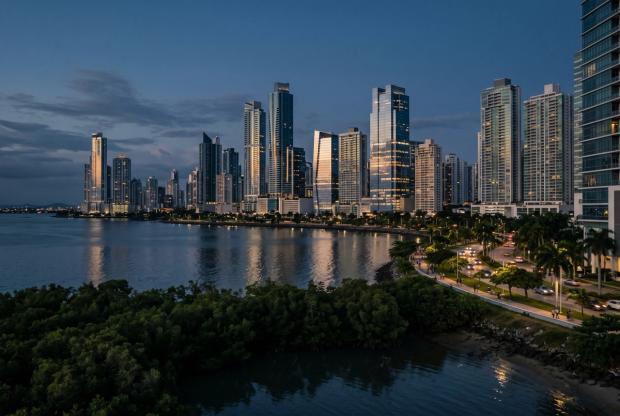
Representative Jhonathan Edir Vega of Circuit 4-5 and nine co-sponsors introduced Bill 554 in February 2026 — a sweeping reform of the horizontal property regime in response to complaints about abandoned construction sites in residential condominium developments. The bill complements Law 284 of 2022 and establishes an aggravated, joint, and strict liability regime.
By Mesa de Análisis Económico · April 30, 2026, 09:00

Inversión y Comercio
The Economy and Finance Committee is advancing a National Maritime, Port and Logistics Integration System coordinated by the Panama Maritime Authority, with the Maritime Single Window (VUMPA) as its central tool.
By Mesa de Análisis Económico · April 30, 2026, 09:00
Política Fiscal
Bill 630, formerly Pre-Bill 440, proposes measures against lawsuits or legal actions used to intimidate, silence, or exhaust the resources of environmental defenders.
By Mesa de Análisis Económico · April 30, 2026, 08:00
Inversión y Comercio
Representative Víctor de Jesús Castillo Cortez introduced a bill on April 27, 2026 that regulates public donation fundraising campaigns, protects donors, and adds a new criminal offense to the Penal Code to sanction those who obtain funds through solidarity deception.
By Mesa de Análisis Económico · April 28, 2026, 11:00
Inversión y Comercio
Bill 638, submitted by legislator Marcos Castillero Barahona and adopted by the Commerce and Economic Affairs Committee, proposes that commercial establishments provide reusable bags or environmentally friendly alternatives without passing any cost on to the consumer, directly or indirectly.
By Redacción Nexo Capital · April 28, 2026, 10:00

Inversión y Comercio
Bill 331, which would have created the regulatory framework for sports tourism in Panama with PANDEPORTE and ATP as implementing agencies, was returned to the Legislature via Note 210-2026-AL after objections regarding institutional competencies, the proposed National Fund, and municipal autonomy.
By Mesa de Análisis Económico · April 28, 2026, 08:00

Inversión y Comercio
Law 32 of 2011 brought Panama's special, comprehensive, and simplified regime for the creation and operation of free-trade zones under a single legal body, repealing Law 25 of 1992 and its implementing decree. Since then it has been regulated three times by the Ministry of Commerce and Industries, amended by laws on airports, property tax, and tax administration, and remains the backdrop for proposed legislation seeking to create parallel special regimes.
By Mesa de Análisis Económico · April 26, 2026, 09:00

Inversión y Comercio
The National Assembly has two bills pending a first debate, introduced on April 23, 2026 by the Ministry of Foreign Affairs, that would formalize Panama's accession to the two pillars of the international measurement system.
By Mesa de Análisis Económico · April 24, 2026, 10:00
Inversión y Comercio
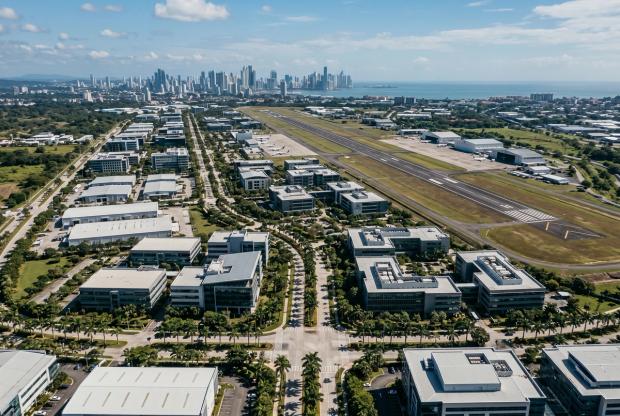
Legislator Alexandra Brenes Samaniego, of circuit 8-2, is leading a reform of Law 41 of July 20, 2004 that seeks to professionalize the leadership of the Panamá-Pacífico Special Economic Area. The bill, approved in First Reading on April 21, 2026 with six votes in favor and none against in the Commerce and Economic Affairs Committee, is pending Second Reading.
By Mesa de Análisis Económico · April 24, 2026, 09:00
Inversión y Comercio
Legislator Lilia Batista Rodríguez submitted on April 21, 2026 a preliminary bill that establishes minimum insurance coverage, joint liability of the driver, owner, and company, and preventive detention of the vehicle until 125% of the estimated amount of the damages is posted.
By Mesa de Análisis Económico · April 22, 2026, 11:00
Economía Digital
A preliminary bill submitted to the National Assembly on April 21, 2026 seeks to fill the legal gap faced by those who work for digital delivery, courier, and selective transport platforms in Panama, recognizing them as a special category of independent worker.
By Mesa de Análisis Económico · April 22, 2026, 10:00

Economía Digital
Bill 413, which proposed regulating the development and deployment of artificial intelligence in Panama under SENACYT supervision, was rejected by the Education, Culture and Sports Committee on April 15, 2026, and brought before the plenary on April 21 without advancing.
By Mesa de Análisis Económico · April 22, 2026, 09:00
Política Fiscal
Introduced on January 8, 2026, and adopted by the Finance and Economy Commission on January 27, Bill 504 passed its First Debate on April 8, 2026. It creates the Digital Public Registry administered by ANTAI, makes prior consultation mandatory before awarding contracts, and adds new grounds of legal incapacity to contract with the state.
By Mesa de Análisis Económico · April 16, 2026, 08:00

Inversión y Comercio
Executive Decree 6 of April 13, 2026, published in Official Gazette 30502-A, implements Law 497 of November 13, 2025 and defines the operational structure of PROPANAMÁ, the new office attached to the Office of the Minister of Commerce and Industry responsible for attracting foreign direct investment and promoting Panamanian exports.
By Mesa de Análisis Económico · April 13, 2026, 08:00
Economía Digital
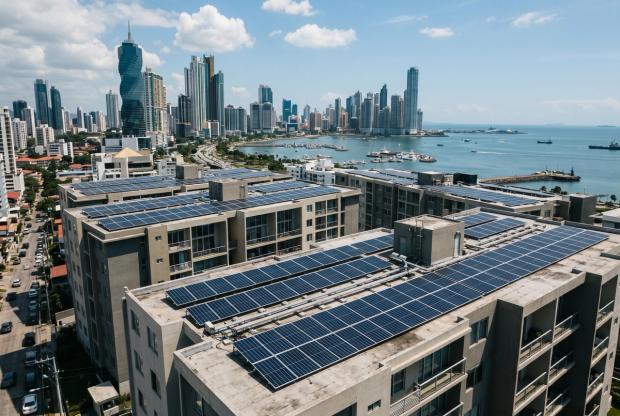
Bill 308 proposes allowing citizens without their own rooftops to generate solar energy from a site other than where they consume it and receive credits on their electricity bill, subject to regulations that ASEP must issue within twelve months.
By Mesa de Análisis Económico · March 25, 2026, 09:00
Política Fiscal
Law 22 of 2006 is the legal backbone of public procurement in Panama, a market that represents between 10 and 15 percent of GDP. It superseded Law 56 of 1995, was regulated four times by the executive branch, amended or supplemented by at least sixteen laws between 2006 and 2024, and cut back by three rulings from the Supreme Court of Justice. In 2025, two simultaneous bills seek to reform it once again.
By Mesa de Análisis Económico · March 18, 2026, 09:00

Política Fiscal
Law 6 of 1997 established the regulatory and institutional framework for the provision of public electricity service in Panama. Over 28 years it was amended eleven times, supplemented on ten occasions, regulated by six executive decrees, and partially struck down by a 2015 Supreme Court ruling. This timeline explains how the legal scaffolding of Panamanian electricity was built—and continues to be built.
By Mesa de Análisis Económico · February 13, 2026, 09:00
Economía Digital
Bill 455 amends Law 6 of February 3, 1997 to recognize photovoltaic self-consumption as a right of regulated end users, with energy credits on bills, positive administrative silence and a ban on arbitrary barriers by distribution companies.
By Mesa de Análisis Económico · February 11, 2026, 09:00
Política Fiscal
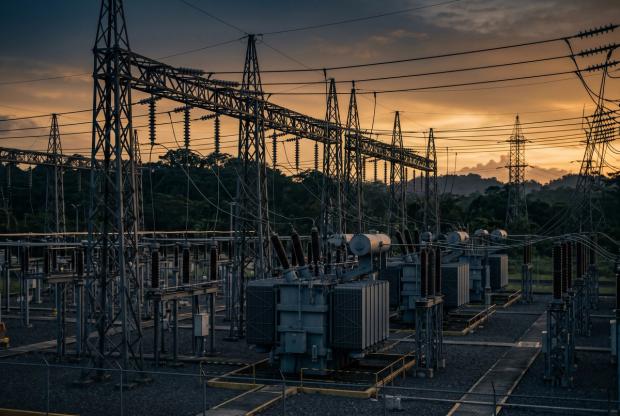
The General Administrator of the National Public Services Authority, Zelmar Rodríguez de Massiah, approved on January 19, 2026 the tariff schedule for ETESA's public electricity transmission service for the period July 1, 2025 through June 30, 2029, published in Official Gazette 30454 on January 29, 2026.
By Redacción Nexo Capital · January 29, 2026, 08:00
Política Fiscal
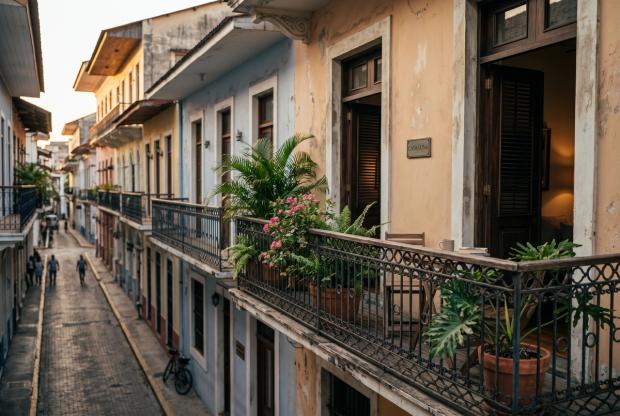
Bill 301 proposes legalizing short-stay tourist lodging in Panama, where it currently operates extralegally, subjecting it to the ten percent ITBMS, Income Tax and the National Tourism Registry.
By Mesa de Análisis Económico · January 7, 2026, 08:00

Mercado de Valores
Approved on September 16, 2025, with nine co-sponsors, Bill 53 amended Law 68 of 2016 to grant a progressive 25% discount on SOAT renewals to drivers with a zero-accident record. The Executive's full veto argues conflict with the insurance mutuality principle and with the autonomy of the Superintendency of Insurance.
By Mesa de Análisis Económico · October 29, 2025, 08:00

Política Fiscal
The Council of Cabinet approved on June 10, 2025 Resolution No. 58, published in Official Gazette 30298-A on June 11, 2025, which adds numeral 22 to Cabinet Resolution 60 of 2015 to authorize additional state contributions to the Tariff Stabilization Fund (FET) of up to B/.170,000,000, aimed at preventing a sharp increase in electricity bills for end customers between July and December 2025.
By Mesa de Análisis Económico · June 11, 2025, 08:00
Política Fiscal
The Ministry of Health introduced Bill 163 on November 6, 2024. Spanning 526 pages and approved in Third Debate on March 13, 2025, the text amends, adds to, and repeals articles of Law 51 of 2005 to create the Composite System with a reformed Mixed Subsystem, a universal non-contributory basic pension, and a new contributions regime.
By Mesa de Análisis Económico · March 19, 2025, 08:00

Inversión y Comercio
Twenty legislators from the Caribbean and Atlantic caucuses presented Bill 217 in January 2025 to turn the strategic district of Almirante into a Multimodal Economic Area. The proposal creates an autonomous entity, establishes a special fiscal and customs regime and places the Changuinola airport and the banana-tourism port of Almirante at the heart of the logistics model.
By Mesa de Análisis Económico · February 21, 2025, 09:00

Política Fiscal
In a unanimous December 2024 ruling, the Supreme Court of Justice denies the cassation appeal against the judgment ordering the reinstatement of a worker with motor disability, holding that an employer's refusal to accept the Social Security Fund's fitness certification constitutes constructive dismissal and violates the protection granted by Law 42 of 1999.
By Mesa de Análisis Económico · January 22, 2025, 09:00

Política Fiscal
The National Assembly enacted Law 445 on October 28, 2024, reforming the Social Fiscal Responsibility Law and establishing annual deficit limits, a debt anchor of 40% of GDP, and a Fiscal Council with technical autonomy.
By Redacción Nexo Capital · October 29, 2024, 10:00
Política Fiscal
The Full Bench of the Supreme Court of Justice declared that Article 4 of Executive Decree No. 143 of September 29, 2006, which adopts the consolidated text of Law 26 of 1996 on the Public Services Regulatory Authority, is not unconstitutional. The challenge argued that the precautionary protection afforded to radio, television, and telecommunications concessionaires violated the principle of equality before the law with respect to print and digital media.
By Mesa de Análisis Económico · July 5, 2024, 08:00

Mercado de Valores
In a unanimous ruling dated March 6, 2024, the Third Chamber of the Supreme Court declared that Resolution SBP-0016-2018, which imposed fines on a general-license banking entity, is not illegal, consolidating the principle that obligations under the anti-money-laundering prevention regime require continuous compliance and cannot be remedied retroactively.
By Mesa de Análisis Económico · March 7, 2024, 10:00

Inversión y Comercio
The Supreme Court of Justice, sitting in Full Bench, declared constitutional res judicata with respect to Law No. 406 of 2023, which approved the mining concession contract between the State and Minera Panamá, S.A., upon finding that the same court had already declared it unconstitutional weeks earlier.
By Mesa de Análisis Económico · January 31, 2024, 09:00

Mercado de Valores
The Third Chamber for Administrative Disputes of the Supreme Court of Justice declared lawful Resolution SBP-0041-2021, through which the Superintendency of Banks of Panama sanctioned a general-license bank with fines that, after internal appeals, were set at B/.288,000 for violations of the anti-money-laundering regime and B/.162,000 for violations of the banking regime.
By Mesa de Análisis Económico · May 24, 2023, 09:00
Política Fiscal
The Full Bench of the Supreme Court of Justice declared the claim inadmissible in the constitutional challenge brought against several phrases of the first paragraph of Article 3 of Law No. 280 of December 30, 2021, which regulates the practice of the certified public accountant (CPA) profession. The court, with magistrate Cecilio Cedalise Riquelme as the opinion author, determined on September 5, 2022 that the challenger had not stated the concept of the constitutional violation clearly — an indispensable requirement under article 2560 of the Judicial Code.
By Mesa de Análisis Económico · November 18, 2022, 09:00
Inversión y Comercio
In a ruling dated July 5, 2022, the Third Chamber of the Supreme Court declared legal an ACODECO resolution that sanctioned a business entity in the automotive sector with a fine of two thousand balboas for violating Law 45 of 2007, establishing that no parallel investigative process is required to impose a sanction once a consumer violation has been proven.
By Mesa de Análisis Económico · July 27, 2022, 09:00
Política Fiscal
The Third Chamber of the Supreme Court of Justice dismissed in July 2022 a contentious-administrative complaint filed by the DGI against the Administrative Tax Tribunal, establishing that the tax authority cannot use that judicial avenue to reverse decisions issued by its own administrative appellate body.
By Mesa de Análisis Económico · July 9, 2022, 10:00

Inversión y Comercio
The Third Administrative Litigation Chamber of the Supreme Court declared that Permanent Water Concession Contract No. 004-12 of 2012, signed between the former National Environment Authority and a concessionaire company for a hydroelectric project in the province of Chiriquí, is not illegal.
By Mesa de Análisis Económico · June 22, 2019, 10:00
Inversión y Comercio
The Ministry of Economy and Finance has formalized the regulatory framework for the Country-by-Country Report (CbCR) in line with the OECD BEPS Action 13 standard, effective May 27, 2019, with the first filing obligation applying to fiscal year 2018.
By Redacción Nexo Capital · May 28, 2019, 10:00
Política Fiscal
The Full Bench of the Supreme Court of Justice declared that the phrases contained in articles 145 and 146 of Law 6 of February 3, 1997, empowering the Public Services Regulatory Authority — now ASEP — to impose sanctions on electricity service providers, are not unconstitutional. The ruling of August 13, 2012 held that the separation between the investigative function and the decision-making function satisfies the due-process guarantee.
By Mesa de Análisis Económico · August 13, 2012, 08:00